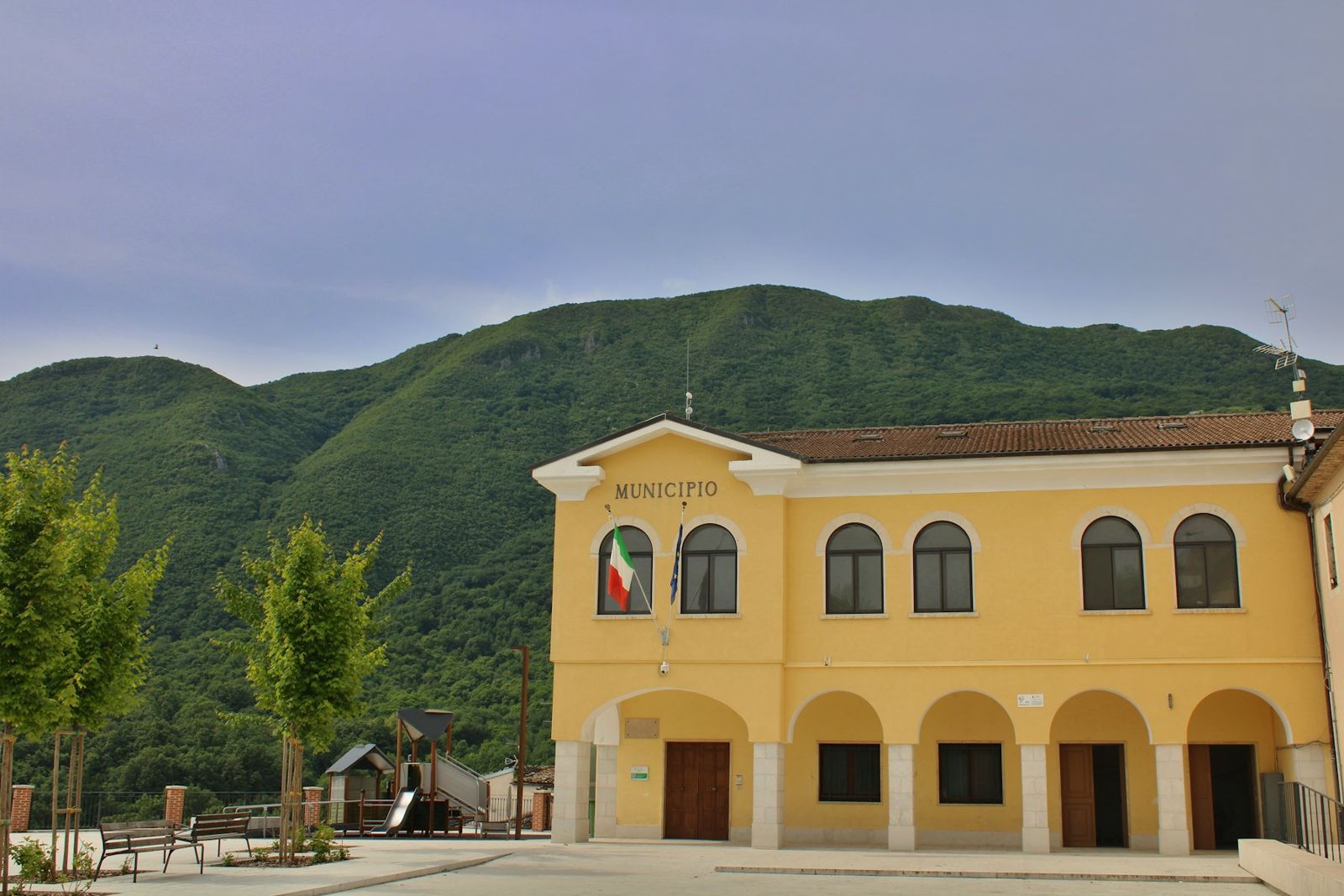

Town hall with the Italian flag
Municipalities and public bodies

We are an infrastructure of trust.

The municipality knows what air people breathe in each of its buildings: offices, schools, libraries, gyms, rooms open to the public. Citizens can see it from a QR code. And no one can rewrite that data: not the municipality, not the supplier, not us.

Data is urban infrastructure when it cannot be altered over time.

MePAItalian public e-marketplace, start-up section
36 monthsno upfront cost
QR codefor citizens, no app
The whole municipal building stock

We estimate the building stock. Then we verify it, building by building.

Not just schools: we measure the air in every municipal building, to know where action is needed and where it is not, and to decide what to spend on based on data.

Municipal officesSchoolsLibrariesMunicipal gymsCouncil chambersPublic service desks

The estimate

We start from the list of buildings and rooms and estimate where the air is likely to be worst.

The verification

The sensors confirm or correct the estimate with real data, hour by hour, room by room.

The decisions

A map of the building stock to choose interventions based on data, not complaints.

Why measure

Two reasons to measure, and neither is enough on its own.

The air people breathe

Offices, classrooms and public rooms with good air are places where people feel better, learn better and work better. It is a service to citizens, and it can be shown.

The responsibility of those in charge

The municipality is responsible for the buildings it owns. A continuous, dated and unalterable data series is the basis for deciding interventions and for answering parents, unions and inspections.

Bright municipal office with people at work
Example · Public service desk CO₂ 1,180 ppm Tip: open the windows.
What the public body receives

The same data, three readings.

Classroom during a lesson
For the technical office

The management dashboard

All buildings and all rooms in one view. Alerts when a value goes out of range, with a suggestion of what to do.

Documents and reports on a desk
For inspectors

The view for the authorities

Full history and ready-made reports, verifiable on the public register without asking anyone.

Smartphone showing a QR code
For citizens

The QR code at the entrance

A citizen scans the code and sees the building's air. No app, no sign-up.

Draft decree AG 435 · under examination

From 1 January 2028 the air in schools and offices will have reference values.

The draft decree transposing Directive (EU) 2024/2881 provides for an indoor air monitoring plan for school buildings, offices and healthcare facilities.

What the draft provides
01Recording temperature, relative humidity and CO₂, together with the operation of the systems and ventilation during cleaning and sanitising.
02Choosing representative rooms and justifying the choice.
03A periodic, systematic check, with records.

Oxia® continuously monitors CO₂ and carbon monoxide (CO) in support of the laboratory measurement campaigns provided for in the draft: it does not replace them, it complements them with the continuity that a two-week campaign cannot provide.

Getting started

How to activate it

Purchase on MePA

Oxia® is listed on MePA, the Italian public administration e-marketplace, in the section for innovative start-ups.

36 months, no upfront cost

A term in line with public contracts. Sensors, installation and service in one monthly fee.

You can start with one building

The municipality can try it in a single building, an office or a school, and then extend the service to the others without starting over.

Let's talk with the mayor and the technical office.

In a meeting we show you the service live and work out together which buildings to start with.

Request a meeting